
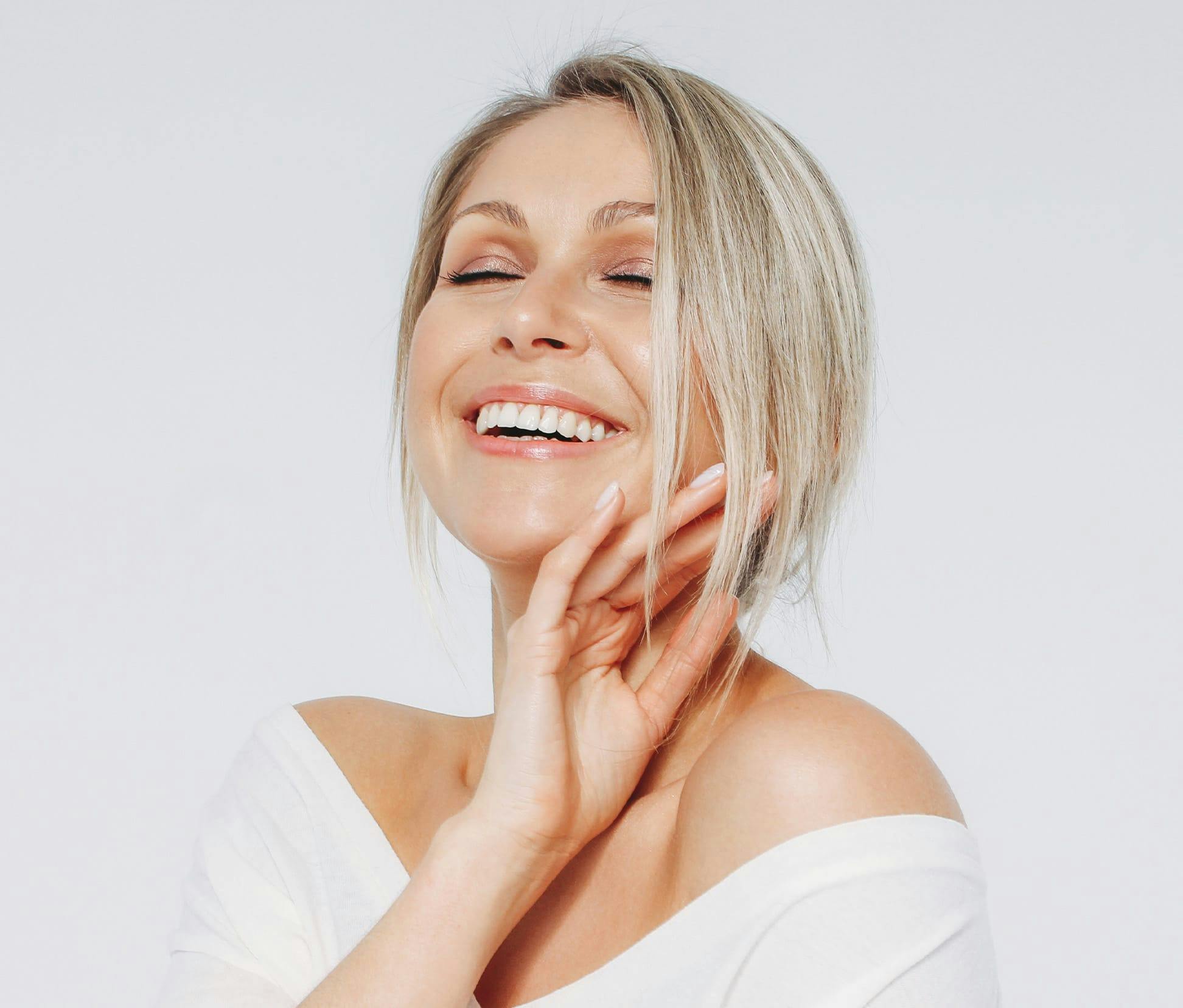
A Natural Approach to Restoring Facial Volume

Dr. Paul Chasan, founder of Ranch & Coast Plastic Surgery, has spent more than three decades refining facial rejuvenation techniques that favor natural, elegant results. His reputation as one of San Diego's most respected plastic surgeons comes from a career built on precision and a preference for working with the body's own tissue rather than synthetic alternatives. Patients ready to restore softness and balance to their face are invited to schedule a private consultation at Ranch & Coast Plastic Surgery.

Ranch & Coast Plastic Surgery logo

What Is Facial Fat Transfer?

Facial fat transfer, also called fat grafting, uses a patient's own fat to restore volume lost to aging or weight changes. Fat is removed from an area with excess tissue, such as the abdomen or thighs, purified, then injected into targeted areas of the face. Because the fat comes from the patient's own body, results tend to look and feel natural.

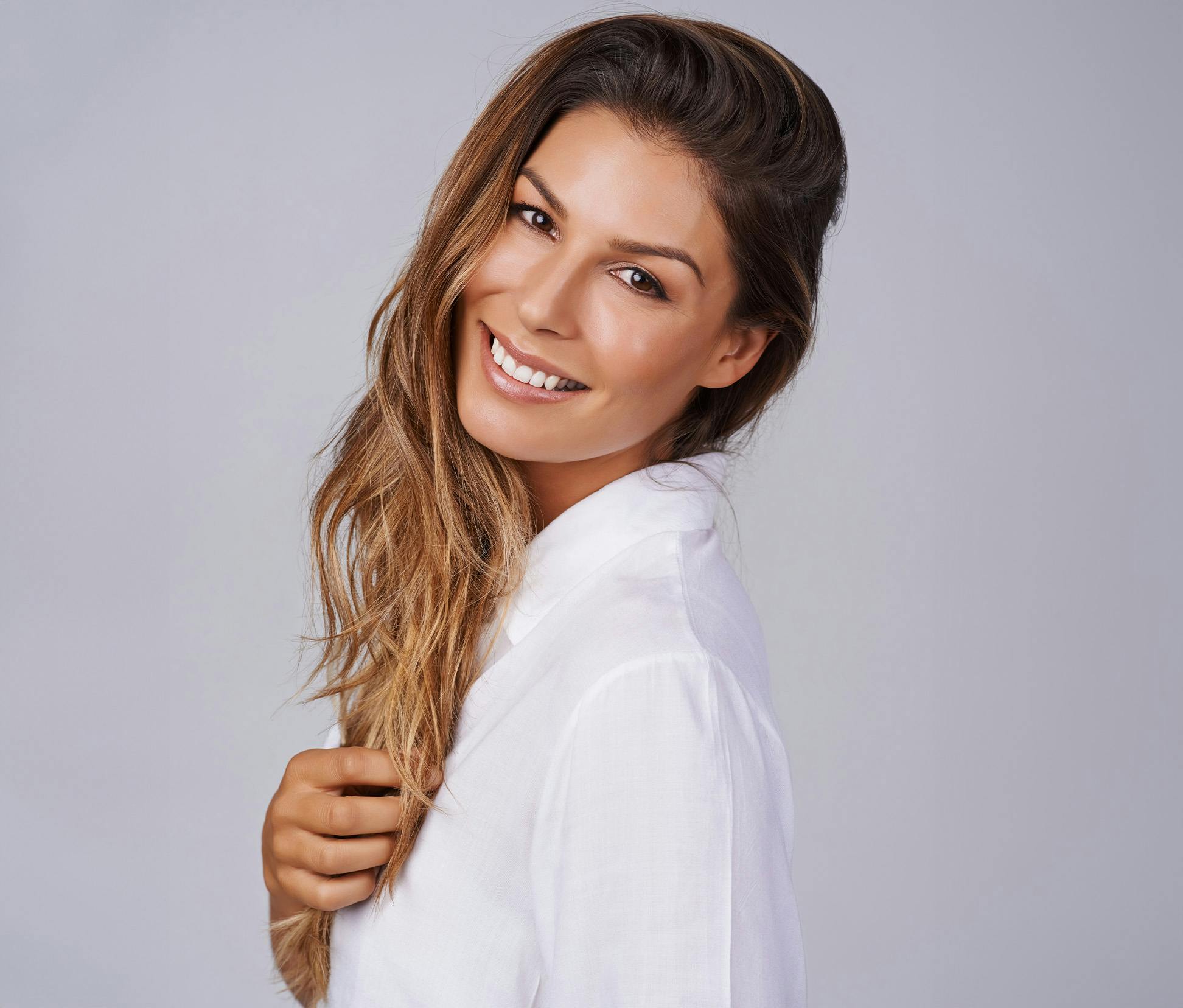
Benefits of Facial Fat Transfer

  • Restores volume using a patient's own natural tissue
  • Softens hollows in the cheeks, temples, and under-eye area
  • May offer longer-lasting results than some injectable fillers
  • Improves skin texture and quality in the treated areas
  • Reduces the appearance of fine lines and creases
  • Removes fat from an unwanted area and adds volume where it's needed
Banner media
Ranch & Coast Plastic Surgery logo

Am I a Good Candidate for Facial Fat Transfer?

Good candidates for facial fat transfer are in good general health and have noticed volume loss in the cheeks, temples, or under-eye area that leaves the face looking tired or hollow. They also need enough donor fat in another area of the body, such as the abdomen or flanks, to make a successful transfer possible. A consultation with the team at Ranch & Coast Plastic Surgery is the best way to confirm candidacy and set realistic expectations.

Why Choose Ranch & Coast for Facial Fat Transfer

Ranch & Coast Plastic Surgery operates a Quad A-accredited surgical facility in the heart of Del Mar, staffed by board-certified surgeons known throughout San Diego for meticulous technique and natural results. Patients also benefit from an exclusive arrangement with a small, hand-picked group of board-certified anesthesiologists and the kind of personal attention that has defined Ranch & Coast for decades.

Your Consultation

A consultation for facial fat transfer includes a full evaluation of your facial anatomy, a conversation about your goals, and an honest look at how much volume restoration is realistic for your features. The surgical team will also review available donor sites and walk through what to expect from the procedure, recovery, and results.

Banner media

How Much Does It Cost?

The cost of facial fat transfer depends on the areas treated, the amount of fat needed, and whether it's combined with another procedure, such as a facelift. Because every patient's goals are different, pricing is discussed during a personal consultation rather than quoted online.

What to Expect During Facial Fat Transfer Treatment

Harvesting the Fat

The procedure begins with a gentle liposuction technique that removes a small amount of fat from a donor area, such as the abdomen, flanks, or thighs. The surgical team handles the fat carefully during removal, since its condition affects how well it survives once transferred.

Purifying the Fat

Once collected, the fat is processed to separate healthy cells from fluid and other tissue. Only the healthiest fat is kept for injection, which supports better survival once it's placed in the face.

Injecting and Sculpting the Face

Using a thin, blunt-tipped instrument, the surgical team injects the purified fat in small, precise amounts into areas like the cheeks, temples, or under the eyes. The fat is added gradually, in layers, to build smooth, even contouring.

Facial Fat Transfer Recovery

Swelling and bruising are common at both the donor site and the treated facial areas for the first one to two weeks. Most patients return to work and light activities within several days, though strenuous exercise and pressure on the face should be avoided while healing. Because of this initial swelling, the face may look fuller than the final result at first. As it resolves over the following weeks, the transferred fat settles into place and the outcome becomes more refined.

Facial Fat Transfer Results

Once healing is complete, patients typically see smoother, more youthful contours in the treated areas. Because the transferred fat behaves like surrounding tissue, results tend to hold up well over time. The body may reabsorb a portion of the graft in the months after treatment, but the fat that survives can provide volume for years.

Related Facial Rejuvenation Procedures

  • Facelift: Addresses sagging skin and deeper facial laxity for a smoother, more lifted appearance.
  • Deep Plane Facelift: A more advanced facelift technique that may offer longer-lasting, natural-looking results.
  • Brow Lift: Raises a heavy or drooping brow line to open up and refresh the upper face.
  • Eyelid Surgery: Removes excess skin and fat around the eyes to help reduce a tired appearance.
  • Dermal Fillers: A non-surgical option for adding volume and smoothing lines using injectable products.
  • Full Face Rejuvenation: A combination approach using injectables to address multiple signs of aging at once.
Banner media

FAQs

Is facial fat transfer painful?

Most patients experience mild to moderate discomfort at the donor site and in the treated facial areas, which is generally well managed with the anesthesia and pain management protocols used at Ranch & Coast Plastic Surgery.

How is facial fat transfer different from dermal fillers?

Dermal fillers use injectable products that are gradually absorbed by the body over months, while facial fat transfer uses a patient's own living tissue, which may offer longer-lasting volume for some patients.

Can facial fat transfer be combined with a facelift or other procedures?

Yes. Facial fat transfer is frequently performed alongside a facelift or other facial rejuvenation procedures to restore volume in areas that skin tightening alone can't address.

What are the risks of facial fat transfer?

Facial fat transfer carries risks such as swelling, bruising, infection, asymmetry, or uneven fat absorption. A thorough consultation helps identify well-suited candidates and can lower these risks.

Why doesn't all of the transferred fat survive?

Not every fat cell that's transferred will establish a healthy blood supply in its new location, so the body naturally reabsorbs a portion of the graft in the months after treatment. This is a normal part of the healing process and is factored into how much fat is transferred initially.

Am I too old for facial fat transfer?

There's no strict age limit for facial fat transfer. Candidacy depends more on overall health, available donor fat, and individual aesthetic goals than on age alone.

How many treatment sessions will I need?

Many patients achieve their desired results with a single session, though some may benefit from a follow-up treatment to fine-tune volume in specific areas. This is something the surgical team will discuss during the consultation.

How should I prepare for facial fat transfer?

Preparation typically includes avoiding blood-thinning medications and supplements, staying well hydrated, and following any pre-procedure instructions provided by the surgical team. Specific guidance will be tailored to each patient during their consultation.

Schedule Your Facial Fat Transfer Consultation

Ranch & Coast Plastic Surgery invites patients throughout San Diego and Del Mar to see how facial fat transfer can restore softness and balance to their appearance. Schedule a private consultation today to find out if this natural approach to facial rejuvenation is right for you.


This information is provided for educational purposes only and does not replace a consultation with a board-certified plastic surgeon. Outcomes, risks, and suitability vary from patient to patient.

Contact us media
Accessibility: If you are vision-impaired or have some other impairment covered by the Americans with Disabilities Act or a similar law, and you wish to discuss potential accommodations related to using this website, please contact our Accessibility Manager at (858) 450-1555.
Book Consultation