Dr. Chasan's BlepharoplastyBefore & After
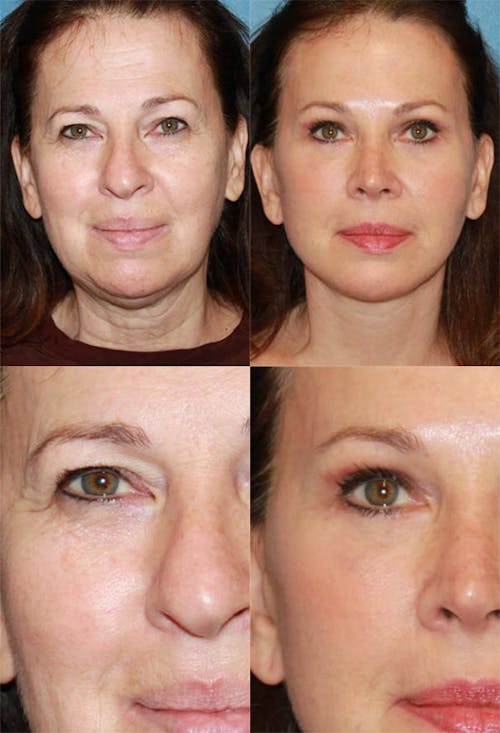
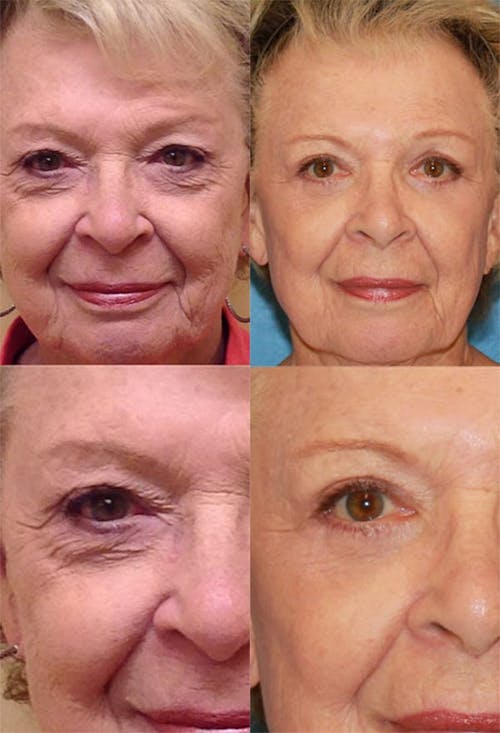
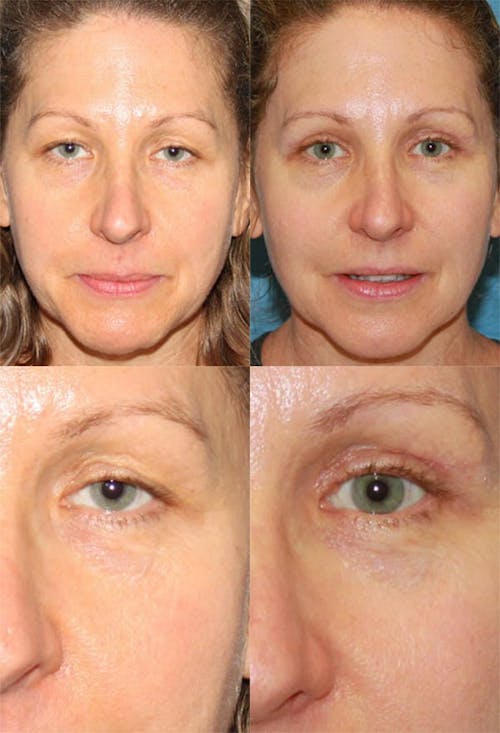


Eyelid surgery, also known as “blepharoplasty,” is a cosmetic surgery procedure that reduces or repositions excess fatty deposits and/or sagging skin and muscle from the upper and lower eyelids. It gives a rejuvenated appearance to the surrounding area of your eyes, making patients appear more rested and alert.
Our doctors have performed numerous blepharoplasty procedures, and are regarded as some of the most experienced eyelid surgeons in California.

Blepharoplasty patients in San Diego are recommended to schedule a consultation to discuss your personalized procedure plan at Ranch and Coast. Due to the variability of cases, some blepharoplasties are priced higher depending on the level of surgical complexity.