


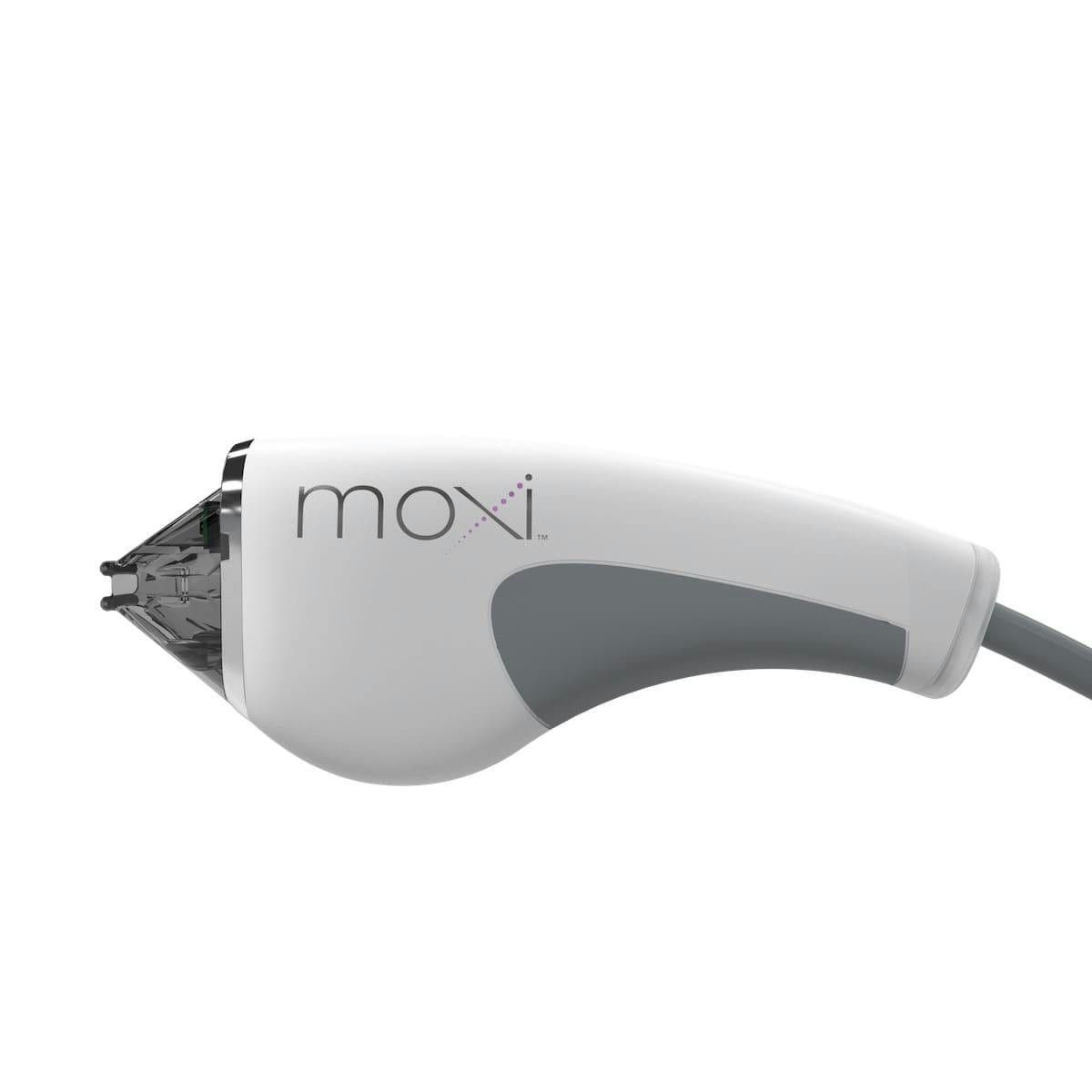
MOXI Laser Rejuvenation at Ranch & Coast Plastic Surgery

Ranch & Coast Plastic Surgery has long relied on Sciton's laser platforms for the practice's BBL and Forever Bare treatments, so adding Sciton's MOXI laser was a natural next step for patients who want prejuvenation and gentle pigment correction alongside their existing skin rejuvenation options. Founder Dr. Paul E. Chasan, a board-certified plastic surgeon with more than 30 years of experience, serves as Medical Director and oversees every device the practice's providers use, including MOXI. Every MOXI treatment in San Diego is performed by an experienced laser nurse under Dr. Chasan's supervision, so patients get a provider-directed, medically supervised approach rather than a generic spa treatment.

Ranch & Coast Plastic Surgery logo
Moxi Laser

What Is MOXI Laser Treatment?

MOXI is a 1927 nm non-ablative, fractional thulium laser cleared by the FDA under a 510(k) submission that covers coagulation of soft tissue, treatment of actinic keratosis, and treatment of benign pigmented lesions such as lentigines and freckles. The wavelength is absorbed by water in the skin's outer layers, so the laser heats microscopic columns of tissue while leaving the surrounding skin intact. That controlled injury triggers the skin's natural healing response, prompting old, sun-damaged, and pigmented cells to shed while new collagen forms underneath.

Because MOXI works fractionally, rather than treating the entire surface at once, healing is faster and more comfortable than with older, fully ablative resurfacing lasers.

Benefits of MOXI Laser Treatment

  • Fades sunspots, freckling, and other pigmented lesions
  • Improves overall skin tone, texture, and pore appearance
  • Stimulates the skin's own collagen production over time
  • Treats all Fitzpatrick skin types, including darker skin tones
  • Sessions typically run 15–20 minutes
  • Minimal downtime compared to ablative laser resurfacing
  • Can be layered with BBL or other treatments for a more complete result

Are You a Candidate for MOXI?

Good candidates for MOXI in San Diego are patients with early sun damage, uneven pigmentation, dullness, or early fine lines who want a low-downtime option, whether as a first laser treatment or as part of a year-round maintenance plan. MOXI is also appropriate for patients with darker skin tones who may not be candidates for more aggressive resurfacing lasers.

MOXI is not appropriate for patients with active skin infections, open lesions in the treatment area, or a recent history of isotretinoin use. A consultation at Ranch & Coast Plastic Surgery will confirm candidacy based on your skin type, goals, and medical history.

Dr. Paul Chasan

Why Choose Ranch & Coast for MOXI Laser in San Diego?

  • Physician-led med spa. Dr. Chasan, a board-certified plastic surgeon, serves as Medical Director and personally oversees the practice's laser and injectable protocols.
  • Established Sciton platform. The practice already operates Sciton's BBL system for photofacial and hair removal treatments, giving providers deep familiarity with the manufacturer's technology before adding MOXI to the lineup.
  • Experienced clinical team. Ranch & Coast's laser nurses have years of hands-on experience with energy-based skin treatments in the San Diego area.
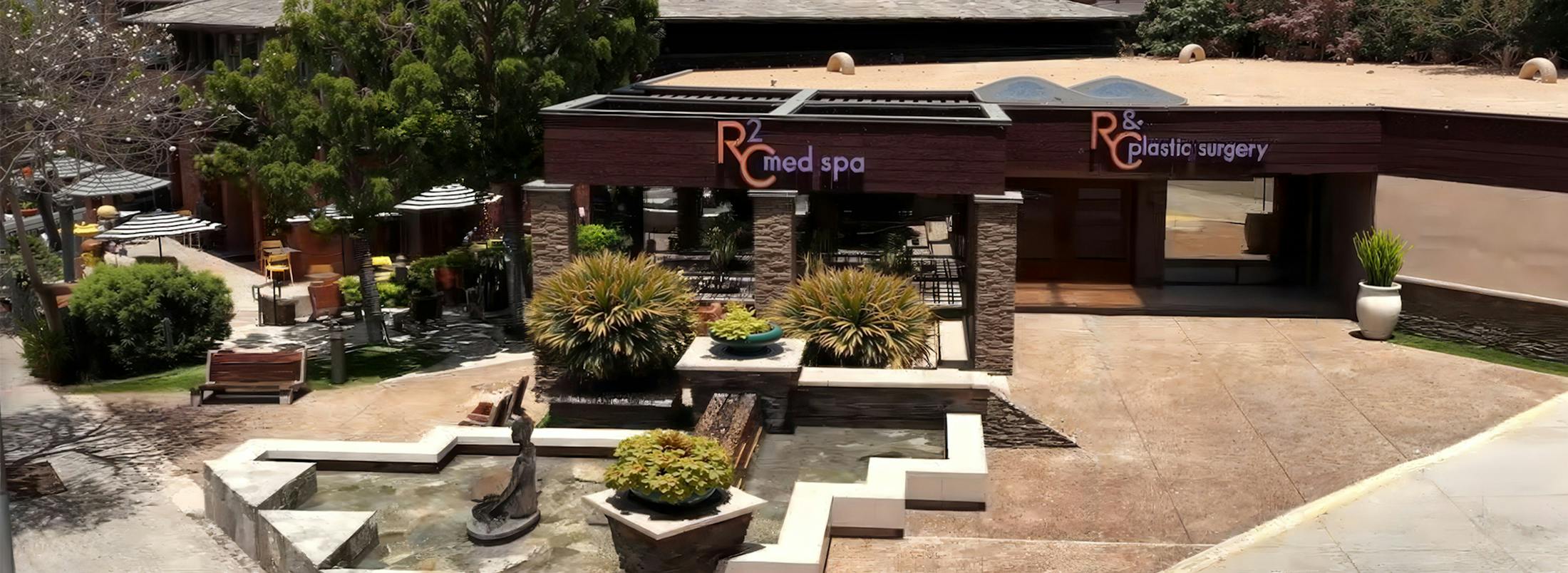
  • Del Mar location. The practice's private facility at 1431 Camino Del Mar offers on-site parking and a discreet, spa-like setting apart from a hospital campus.

What to Expect With MOXI

Consultation and Cost

Every MOXI treatment begins with a consultation to assess your skin, discuss your goals, and confirm you're a good candidate. Cost varies based on the treatment area and the number of sessions in your plan; your provider will review pricing during your consultation.

The Treatment Experience

A topical numbing cream is typically applied before treatment. The provider then passes the MOXI handpiece over the treatment area, delivering fractional laser energy in a grid pattern. Most patients describe a warming or mild stinging sensation. A full-face treatment usually takes 15–20 minutes.

Recovery and Results Timeline

Skin typically looks and feels like a mild sunburn for the first one to three days, with the treated pigment darkening slightly before flaking away. Most patients see smoother, more even-toned skin between days five and seven, with a fresh, brighter complexion emerging over the following week. A series of three to four sessions, spaced about four to six weeks apart, is generally recommended for full results, with annual maintenance sessions to sustain them.

MOXI and Related Treatments

MOXI is frequently combined with BBL/IPL photofacial treatments already offered at Ranch & Coast, pairing MOXI's fractional resurfacing with BBL's broader pigment and vascular correction for a more complete rejuvenation. Patients with deeper wrinkles, more significant laxity, or scarring may be better suited to the practice's Fractional CO2 DOT laser, which reaches deeper into the skin with more downtime. Your provider can help determine which laser, or combination of lasers, fits your goals.

MOXI FAQ

Does MOXI hurt?

Most patients tolerate MOXI well with topical numbing, describing the sensation as warm or mildly stinging rather than painful.

How many MOXI treatments will I need?

Most patients benefit from a series of three to four sessions spaced four to six weeks apart, followed by annual maintenance treatments.

How is MOXI different from the Fractional CO2 DOT laser?

MOXI is a gentler, non-ablative laser designed for early pigment and texture concerns with little downtime, while the Fractional CO2 DOT laser is a more intensive resurfacing treatment for deeper wrinkles and more significant sun damage.

Is there downtime after MOXI?

Downtime is minimal. Most patients experience mild redness and flaking for a few days and can return to normal activities shortly after treatment.

What are the risks of MOXI?

As with any laser treatment, temporary redness, swelling, and flaking are common. Rare risks include prolonged redness, blistering, or changes in pigmentation, which is why treatment should be performed by an experienced, medically supervised provider.

Sources

  • Vingan N et al. "Investigating the efficacy of a fractionated 1927 nm laser for diffuse dyspigmentation and actinic changes." Lasers in Surgery and Medicine, 2023. PubMed

  • American Society for Laser Medicine and Surgery. "Laser Resurfacing." ASLMS

Contact us media
Accessibility: If you are vision-impaired or have some other impairment covered by the Americans with Disabilities Act or a similar law, and you wish to discuss potential accommodations related to using this website, please contact our Accessibility Manager at (858) 450-1555.
Book Consultation