Most people prepare for the physical side of rhinoplasty in San Diego: the splint, the bruising, the weeks of swelling. Far fewer prepare for the emotional side. Yet many patients move through a surprising mix of feelings, from pre-surgery nerves to a brief post-op low to a period of getting used to a new face in the mirror. These reactions are common; they are usually temporary, and they tend to ease as swelling resolves and the final result emerges.
At Ranch & Coast Plastic Surgery in Del Mar, Dr. Paul Chasan has guided patients through this journey for more than 30 years. Board-certified by the American Board of Plastic Surgery, he is known as the "Fix-it Doctor" for complex revision rhinoplasty and has authored over 20 peer-reviewed publications.
Why Rhinoplasty Can Feel More Emotional Than Other Cosmetic Procedures
Rhinoplasty often feels more emotional than other cosmetic procedures because the nose sits at the center of the face. It shapes how we see ourselves in photos, how we recognize family resemblance, and how we picture our own identity. Changing it can feel bigger than changing almost any other feature.
Patients also cannot hide the early stages of healing. Unlike a body procedure covered by clothing, a nasal splint, bruising under the eyes, and swelling are visible every time you look in the mirror. That daily visibility can amplify every feeling along the way.
Many rhinoplasty patients describe a fairly predictable emotional arc:
- Pre-surgery nerves: Excitement mixed with anxiety about anesthesia, recovery, and whether the result will match your goals.
- First-week doubts: A moment of "What did I do?" while wearing the splint and seeing bruising for the first time.
- Swelling impatience: Frustration during the months when the nose looks wider, puffier, or less refined than expected.
- Identity adjustment: A period of double-takes as your brain catches up with your new reflection.
- Growing confidence: A sense of ease and harmony once the nose settles into its refined shape.
Knowing these phases in advance helps many patients recognize each one as a normal stage of healing rather than a sign that something went wrong.
Is It Normal to Feel Down After Rhinoplasty?
Feeling down after rhinoplasty is more common than most patients expect, even when surgery goes perfectly. A 2024 systematic review published in Plastic and Reconstructive Surgery Global Open describes post-rhinoplasty depression as an adverse psychological response that can occur after successful surgery in psychologically stable patients. The authors note that a better surgical result does not always guarantee immediate happiness.
Several factors can contribute to this temporary low. The body is recovering from anesthesia and surgery, sleep is often disrupted, and pain medication can affect mood. Patients may also feel restless while avoiding exercise, social plans, or work. Add a splint and bruising to the mix, and it is easy to feel unlike yourself.
For most patients, these feelings fade within the first few weeks as bruising clears and normal routines return. If sadness, anxiety, or hopelessness lingers or worsens, contact Dr. Chasan's team. Our nurses can help you sort through what is typical, and reaching out to your primary care provider or a mental health professional is always a good step.
Why Your Nose Won't Look "Finished" Right Away
Your nose won't look finished right away because rhinoplasty swelling resolves slowly and unevenly. According to the American Society of Plastic Surgeons (ASPS), initial swelling subsides within a few weeks, but it may take up to a year for the new nasal contour to fully refine. ASPS also notes that swelling may come and go and often looks worse in the morning during that first year.
This gradual timeline is one of the biggest emotional challenges for patients. In an ASPS article on rhinoplasty recovery, one board-certified surgeon explains that the nose may look crooked or asymmetrical as swelling goes down before it evens out. Seeing that mid-healing stage can understandably cause worry.
The nasal tip is usually the last area to settle, especially for patients with thicker skin. That is why Dr. Chasan encourages patients to judge their result by long-term milestones rather than day-to-day changes. Comparing your nose today to how it looked last week rarely tells the full story.
Adjusting to a New Reflection After Rhinoplasty
Adjusting to a new reflection after rhinoplasty takes time, even when patients love their results. You have spent years seeing the same face in mirrors, photos, and video calls. When the center of that face changes, your brain needs a little while to update its picture of "you."
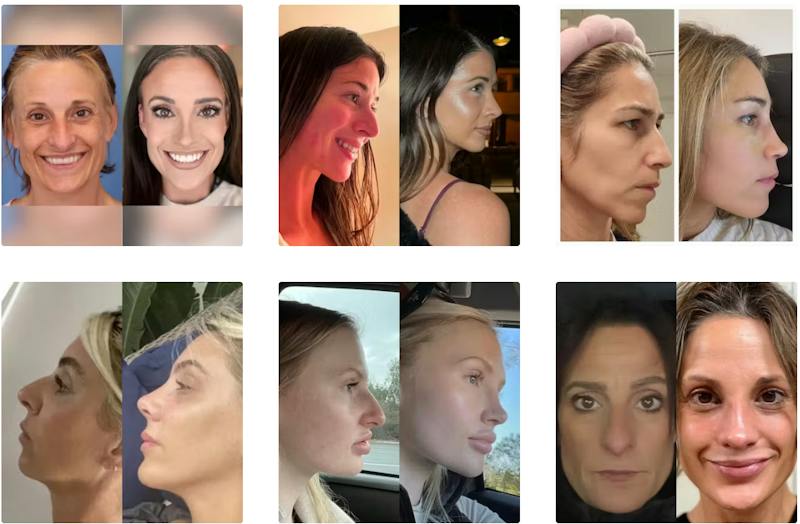
During this period, some patients do double-takes when they catch their reflection. Others feel a fleeting sense of loss for their old nose, especially if it resembled a parent or sibling. Both reactions are normal and rarely mean regret. They simply reflect how closely appearance is tied to identity.
The reactions of others can be surprising, too. Because a well-planned rhinoplasty is designed to create facial harmony, friends often say you look rested or refreshed without pinpointing the nose. Dr. Chasan's philosophy centers on results that feel authentic to each patient, so a subtle, natural outcome is often a sign the surgery did exactly what it should.
How Realistic Expectations Shape Rhinoplasty Satisfaction
Realistic expectations are one of the strongest predictors of how patients feel after rhinoplasty. A recent systematic review of psychosocial factors in aesthetic rhinoplasty found that psychological readiness, social context, and expectation setting significantly influenced how patients perceived their outcomes. The authors emphasized preoperative mental health screening and expectation management.
The good news is that rhinoplasty can meaningfully improve how patients feel about themselves. A 2024 systematic review of 16 studies reported notable improvements in self-esteem, body image, mental health, and overall quality of life after cosmetic rhinoplasty. Those benefits are most likely when goals are clear and grounded.
That is why the consultation at Ranch & Coast is a two-way conversation. Dr. Chasan takes time to understand what you want to change, explains what rhinoplasty can and cannot achieve for your anatomy, and reviews the recovery timeline in detail. He may also ask about how your nose affects your daily life, which helps ensure surgery is the right step for you. Reviewing the rhinoplasty questions and considerations page beforehand can help you prepare.
The Emotional Weight of Revision Rhinoplasty
Revision rhinoplasty often carries more emotional weight than a first procedure. Patients seeking a revision may feel disappointed in their original result, worried about trusting another surgeon, or anxious about going through recovery again. Some have also lived with breathing problems or visible irregularities for years.
Acknowledging those feelings is part of good care. As the "Fix-it Doctor," Dr. Chasan regularly performs complex revision rhinoplasty and understands the extra reassurance these patients need. His consultations focus on what went wrong, what can realistically be corrected, and how the revision plan addresses both appearance and function.
Revision patients should also expect a recovery that may take longer than their first. Scar tissue from the previous surgery can extend swelling, so patience and steady communication with the team become even more important.
How to Support Your Emotional Recovery After Rhinoplasty in San Diego
Supporting your emotional recovery after rhinoplasty in San Diego starts with a plan, just like your physical recovery. These habits can help you move through the healing process with more ease:
- Wait for milestones before judging: Evaluate your nose at follow-up visits rather than in daily mirror checks.
- Limit close inspection: Avoid zooming in on photos or studying your profile from every angle during early healing.
- Keep every follow-up appointment: These visits let Dr. Chasan track your progress and answer questions before worries grow.
- Lean on a support person: A friend or family member can help with errands and offer perspective on difficult days.
- Stay gently active: Short walks and time outdoors, once cleared, can lift your mood.
- Use the Nose Perfect device: Dr. Chasan invented the Nose Perfect device, which we offer to rhinoplasty patients to help shape their healing nose. Many patients appreciate having an active role in their recovery.
- Speak up early: Call our office if low mood, anxiety, or concerns about your result persist.
Throughout recovery, our team of registered nurses is available to help. Each of our RNs has worked with Dr. Chasan for at least 10 years, so you can count on experienced guidance whenever questions come up.
Rhinoplasty Emotional Recovery FAQs
How long do the post-rhinoplasty blues last?
For most patients, post-rhinoplasty blues ease within the first few weeks as bruising fades and daily routines return. If low mood lasts longer or feels severe, contact your surgical team and consider speaking with a mental health professional.
When will my nose start to feel like "me"?
Many patients feel comfortable with their new nose within a few months, once most swelling has subsided. The nasal contour can continue to refine for up to a year, and the sense of familiarity often grows alongside it.
Is it normal to regret rhinoplasty at first?
Brief second thoughts during early recovery are common and usually reflect swelling, bruising, and fatigue rather than true regret. Waiting until key milestones before evaluating your result gives you a much clearer picture.
Should I tell people I had rhinoplasty?
Sharing your rhinoplasty is a personal choice. Some patients find it easier to be open with close friends and family, while others prefer privacy. Our office's private parking and discreet Del Mar location make it easy to keep your journey as private as you like.
Considering Rhinoplasty in San Diego? Dr. Chasan and Our Team Are Here for You
The emotional side of rhinoplasty is real, but you do not have to navigate it alone. With more than 30 years of experience and a reputation for complex revision work, Dr. Paul Chasan pairs surgical precision with honest guidance at every stage. Patients at our private surgical center in Del Mar also benefit from board-certified anesthesiologists, experienced RNs, and an on-site 23-hour overnight stay option.
If you are considering rhinoplasty in San Diego, we invite you to explore our before-and-after gallery, read patient reviews, and schedule a consultation by calling (858) 216-8884. Out-of-town patients can also start with an online consultation.
This information is provided for educational purposes only and does not replace a consultation with a board-certified plastic surgeon. Outcomes, risks, and suitability vary from patient to patient.
Sources
- American Society of Plastic Surgeons. What should I expect during my rhinoplasty recovery?
- American Society of Plastic Surgeons. What to expect from your rhinoplasty recovery
- Alhajress R, et al. Postrhinoplasty Depression: A Systematic Review. Plastic and Reconstructive Surgery Global Open, 2024.
- Psychosocial Factors Surrounding Aesthetic Rhinoplasty: A Systematic Review. PubMed Central.
- Psychological implications and quality of life after cosmetic rhinoplasty: a systematic review. Discover Psychology (Springer), 2024.